Made by hand in our partner workshop in China  ·  Shipped worldwide  ·  Every symbol comes with its sources
Atlas  /  For good people around you  /  Kola nut (ọjị)No. 118
Plate ISub-Saharan Africa · Nigeria (Igbo)Kola nut (ọjị), drawn by Wishlore
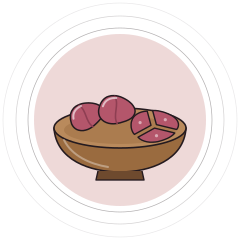
Pl. IKola nut (ọjị). Three kola nuts in a shallow wooden dish; one has been broken into its lobes. Drawing: Wishlore.
No. 118  ·  For good people around you  ·  Sub-Saharan Africa

The kola nut

Among the Igbo of south-eastern Nigeria, a visitor is greeted, given a seat and then offered kola nut, ọjị. The eldest prays over it, breaks it and shares the pieces before any business is raised. A 2024 study calls it the quintessential gesture of welcome, at formal and informal gatherings alike.

Earliest record
Achebe’s novel Things Fall Apart, 1958
Source
Chinua Achebe, Things Fall Apart (London: Heinemann, 1958)
Region
Sub-Saharan Africa · Nigeria (Igbo)
Wish
For good people around you
Layers
Record Folk Modern
The story · three layers

The story, in three layers.

Record, Folk and Modern are kept apart, and each one carries its source.

I
Record
Published 1958

Things Fall Apart, 1958

Chinua Achebe’s first novel, Things Fall Apart, was published in London by Heinemann in 1958. Set in Umuofia, a fictional Igbo clan, it briefly describes a kola nut ceremony and mentions the eating of kola at least ten times. One of its sayings is ‘He who brings kola brings life.’ The line echoes an Igbo saying, onye wetara ọjị wetara ndu, which a 2024 study gives as ‘whoever brings kola nut brings life’.

To verify: The first-chapter scene in which Unoka welcomes his neighbour Okoye with kola, Okoye answers ‘He who brings kola brings life’, and Unoka breaks the kola with a prayer to the ancestors, read in the novel itself, with its page in the 1958 first edition; An earlier dated account of the kola welcome, before 1958


II
Folk
Igbo custom, described in 2024

The guest’s welcome

A 2024 study in Sophia: An African Journal of Philosophy and Public Affairs calls ọjị the quintessential gesture of welcome among the Igbo, in formal and informal gatherings, and describes its ritual presenting as an expression of hospitality, goodwill, welcome and friendship to guests. A visitor is greeted and given a seat; then the host presents kola in a carved wooden bowl, okwa ọjị, and the guest does not state his errand until the kola has been eaten. The eldest prays over it in Igbo, breaks it, throws one lobe to the ancestors and eats or shares the rest. The study names kola as a necessity at the New Yam festival, weddings, burials, child-naming ceremonies and the settling of land disputes.

III
Modern
2026, and Wishlore today

Still the first thing offered

The custom travels with Igbo communities abroad: at the Igbo Studies Association’s 2026 conference at Dominican University in Chicago, members of the Igbo Association of Chicago welcomed participants by offering ọjị. Kola is food and a living custom, so we tell the story and make no jewellery of it.

Kola nut (ọjị)
Achebe’s novel Things Fall Apart, 1958
Story and sources on the reverse
Pl. IIThe story card. Every printed piece carries the story and a code that opens the full source list.
Keep it close

How would you like to keep it?

Add to bag · £8
  • No jewellery for this symbol yet; story card and download only
  • Printed cards are made in our partner workshop in China and shipped worldwide
  • Delivery: [UK/EU/US days TBC]; duties shown at checkout
In one breath
He who brings kola brings life. Who would you keep it for?