I
RecordHawaiʻi, 1928
Lei Day, since 1928
Hawaiʻi has kept Lei Day since 1928. Honolulu’s Department of Parks and Recreation tells its history in a short paper.
To verify: Date and place of the first Lei Day, from the Honolulu paper
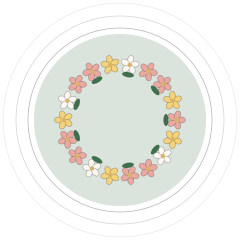
A Hawaiian garland of flowers, shells or candlenuts. It stands for aloha, and the maker’s feeling is said to be woven into it. Hawaiʻi has kept Lei Day since 1928.
Record, Folk and Modern are kept apart, and each one carries its source.
Hawaiʻi has kept Lei Day since 1928. Honolulu’s Department of Parks and Recreation tells its history in a short paper.
To verify: Date and place of the first Lei Day, from the Honolulu paper
A lei is a sign of aloha. People say the maker’s feeling is woven into it, along with the flowers, shells or candlenuts.
To verify: Confirm this in the Honolulu paper, and add a Native Hawaiian source
The lei belongs to Native Hawaiian culture. We tell it as a garland made by hand and given; the aloha is the giver’s, not the garland’s.