Made by hand in our partner workshop in China  ·  Shipped worldwide  ·  Every symbol comes with its sources
Atlas  /  For prosperity & business  /  Cowrie shellsNo. 126
Plate ISub-Saharan Africa · Yoruba, Nigeria and BeninCowrie shells, drawn by Wishlore
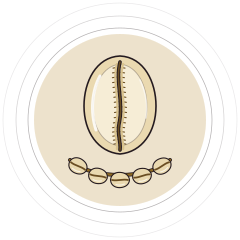
Pl. ICowrie shells. A cowrie shell seen from below, with its long toothed opening, above a short string of smaller cowries. Drawing: Wishlore.
No. 126  ·  For prosperity & business  ·  Sub-Saharan Africa

Cowrie shells

A small, glossy sea shell with a toothed slit along its underside. Among the Yoruba of what is now Nigeria and Benin, cowries were money, and they were also linked with the spirit world. People added them to carved figures, and a Yoruba cowrie box in Oxford once held charms.

Earliest record
Shell money; imports rose in the late 15th century
Source
Art Institute of Chicago, “The Ocean’s Currency: Cowrie Shells in African Art”
Region
Sub-Saharan Africa · Yoruba, Nigeria and Benin
Wish
For prosperity & business
Layers
Record Folk Modern
The story · three layers

The story, in three layers.

Record, Folk and Modern are kept apart, and each one carries its source.

I
Record
Late 15th century onwards

Money from the sea

The Art Institute of Chicago describes cowrie shells as a currency in Africa, and as shells that were also linked with the spirit world. Imports of cowries rose sharply in the late 15th century. Our files do not say when cowries were first used as money, or where these shells were gathered.

To verify: The Art Institute of Chicago’s own wording on the rise in imports in the late 15th century; Where the shells came from, and when cowries were first used as money in West Africa


II
Folk
19th–20th century

On figures for twins

Yoruba families had carved figures called ibeji made in memory of a twin who had died. The Metropolitan Museum of Art links the cowries on ibeji with good fortune and with having children. The Pitt Rivers Museum in Oxford holds a Yoruba cowrie box that was used to keep charms.

To verify: The Met’s exact words on the cowries on its ibeji figure; The object number and date of the Pitt Rivers cowrie box

III
Modern
Wishlore, today

A shell, not a promise

We tell the cowrie as old money and as part of Yoruba art, and make no claim that wearing one changes anyone’s finances. Original ibeji are family memorials, and we do not sell them.

Cowrie shells
Shell money; imports rose in the late 15th century
Story and sources on the reverse
Pl. IIThe story card. Every printed piece carries the story and a code that opens the full source list.
Keep it close

How would you like to keep it?

Add to bag · £8
  • No jewellery for this symbol yet; story card and download only
  • Printed cards are made in our partner workshop in China and shipped worldwide
  • Delivery: [UK/EU/US days TBC]; duties shown at checkout
In one breath
A shell that people could spend. Who would you keep it for?